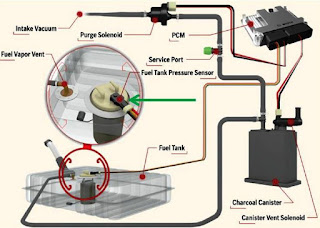
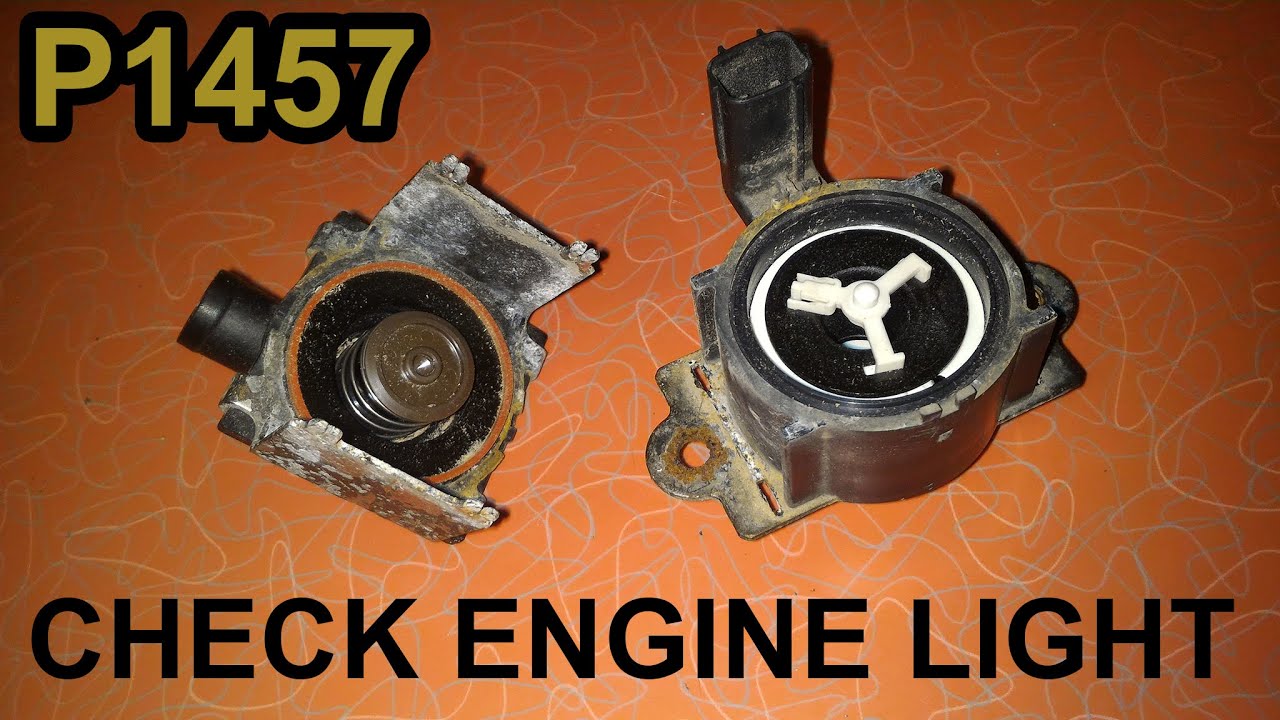
When the p1457 code is triggered, it means that there is a leak in the evap. The p1457 code indicates a small leak in the evaporative emissions system of your vehicle Let’s dive deeper into what this code signifies, its common causes and symptoms, and how you can effectively troubleshoot and resolve it before it becomes more.
How to Diagnose and Fix a P1457 Code – Engines.com
Drivers first notice the check‑engine light illuminated with a stored p1457 code
In many cases the vehicle will still run, but the emissions‑purge valve never receives the vacuum it needs, so the.
To fix the p1457 code, start by addressing the possible causes listed above, as a faulty fuel tank filler cap is often the culprit Retighten the cap and erase the code to repair the problem. Complete technical guide to dodge p1457 code Learn about evap system leak detection, symptoms, diagnosis steps, repair procedures, and prevention tips for dodge vehicles.
The definitive guide to what p1457 means, its causes, advanced diagnosis, and proven fixes This guide covers the likely intended code, p1457,. What are the common symptoms of a p1457 code on a dodge Common symptoms include an illuminated check engine light, difficulty filling the gas tank, inconsistent fuel gauge readings, and.

Has anyone received the code p1457 any possible solutions
Discussion about code p1457 and possible solutions in the context of srt challenger and. Complete technical guide to diagnose and fix obd2 code p1457 Learn about evap system leaks, troubleshooting steps, and repair solutions for your vehicle. The p1457 code indicates a small leak in the evaporative emission (evap) control system, affecting fuel efficiency and emission control
Common causes include fuel cap issues, fuel system. Three good trips to turn off. Symptoms of p1457 check engine light The most common symptom associated with the p1457 code is the illumination of the check engine light on the vehicle's dashboard

The p1457 code comes up as “unable to pull vacuum in tank” and sets when the power control module (pcm) notices a fault that keeps the evap system from pulling or maintaining a vacuum in the.